
 Libbie Stevens | Visa Advisor, Wilmer Health | Published: 11 May 2026
This guide is for informational purposes only and reflects requirements as understood in 2026. Visa requirements can vary by consulate and are subject to change. Always confirm specific requirements with the Spanish consulate or immigration authority handling your application. For specific advice about your individual application, contact us at hello@wilmerhealth.com.
If you’re applying for a Spanish visa from the UK and your application involves a birth certificate — your own, your child’s, or a family member’s — it needs to be apostilled by the UK Foreign, Commonwealth & Development Office (FCDO) and translated by a sworn translator before a Spanish consulate will accept it.
This guide covers exactly what UK applicants need to know: which version of the birth certificate to use, the freshness rule that catches most people out, how to actually get the apostille, and whether you need a sworn translation as well.
For the broader picture on UK apostilles and Spanish visas, see our complete UK apostille guide for Spanish visas.
Yes, in almost every case where a UK birth certificate is part of your application. Spanish consulates require birth certificates to be apostilled by the FCDO before they’ll accept them — without the apostille, the document has no legal standing in Spain.
Birth certificates are most commonly required for:
If you’re unsure whether your specific visa type requires a birth certificate, check your consulate’s published document checklist (London, Manchester, or Edinburgh) — requirements vary slightly between them.
This is where most UK applicants get caught out.
Spanish authorities want a long-form (full) UK birth certificate, not the short-form version. The difference:
If you submit a short-form certificate, the Spanish consulate will reject it — even if it’s been apostilled. You’ll need to order a long-form version from the General Register Office (GRO), get that apostilled, and start the timeline over.
The 3-month freshness rule applies too. Spanish authorities want most documents (and their apostilles) dated within 3 months of your visa application. So even if you have an old long-form birth certificate stored away, ordering a freshly-issued copy is usually the right move.
You can order a fresh long-form certified copy directly from the General Register Office at gov.uk for £12.50 (standard delivery) or £42.50 (priority next-day). The GRO doesn’t “lose” or “replace” your original — they issue a freshly-signed certified copy of the same record, which restarts the freshness clock.
Order the new certificate first, then the apostille. Trying to apostille a certificate that’s already months old is one of the most common reasons UK applications get delayed.
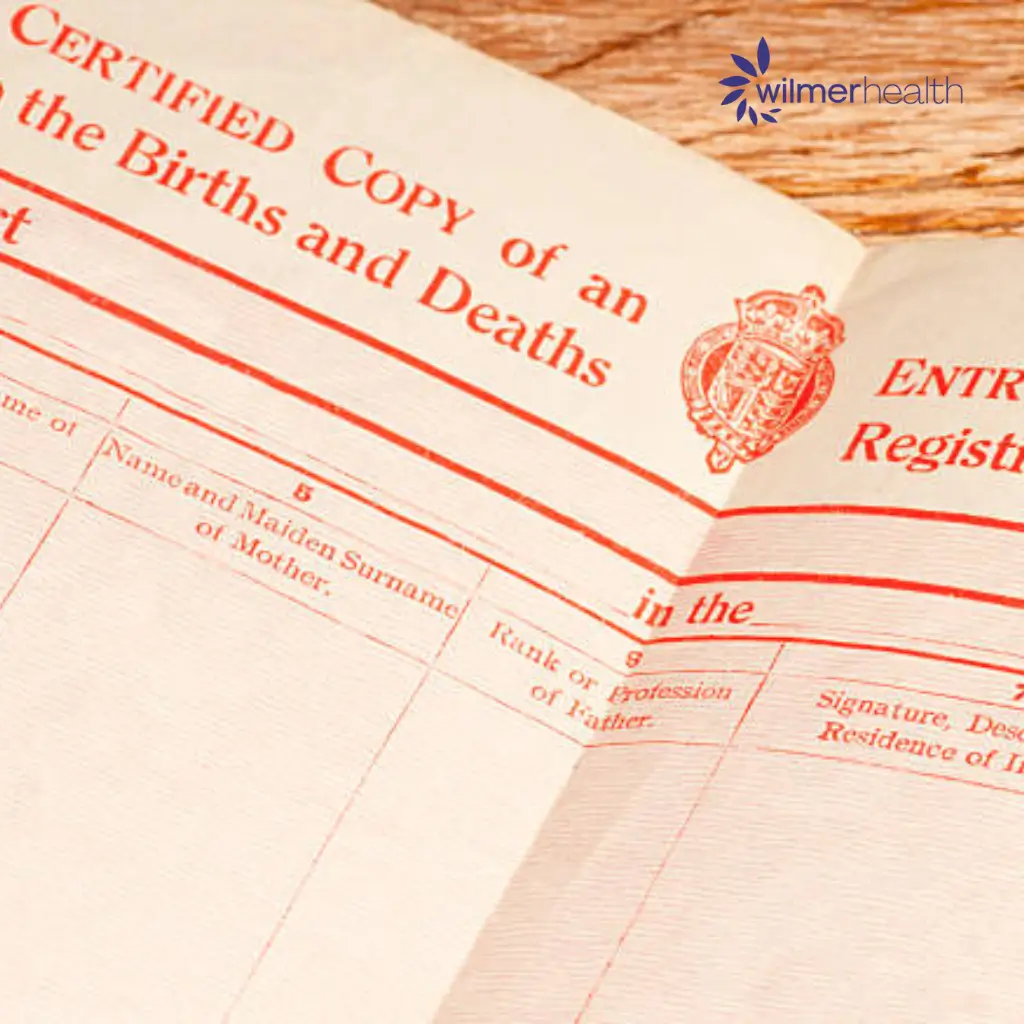
Once you have a freshly-issued long-form birth certificate, there are two routes for getting it apostilled.
Post the certificate to the UK Legalisation Office for a paper apostille. UK birth certificates aren’t eligible for the FCDO’s e-Apostille service — that route is only for PDFs electronically signed by a UK notary or solicitor, which doesn’t apply to General Register Office certificates.
A specialist apostille service can deliver in days rather than weeks because they have direct counter access at the FCDO Legalisation Office in Milton Keynes — meaning they can submit and collect documents in person rather than queueing through the postal system.
If your consulate appointment is less than a month away, the FCDO’s standard postal service rarely leaves enough buffer. The counter access route is usually the safer call.
Yes — for your UK birth certificate going to Spain, you need both an apostille AND a sworn translation. They’re separate requirements: the apostille legalises the original document; the sworn translation makes it readable for Spanish authorities.
The practical sequence is straightforward:
The trap UK applicants need to know about: Spanish consulates only accept translations from translators appointed by the Spanish Ministry of Foreign Affairs (MAEC). Translations from UK-only certified translators — including CIOL and ITI accredited members, which UK authorities accept — are rejected by Spanish consulates. This catches a lot of UK applicants out, because the language used by UK translation agencies (“certified translation”) sounds like the right thing.
For the full detail on sworn translation — what it is, who can produce one, costs, turnaround, and the UK-specific traps to avoid — see our complete Spanish sworn translation guide for UK visa applicants.
Many visa specialists, including Wilmer Health, can bundle all three steps (fresh certificate, apostille, sworn translation) in one process — which usually saves time and money compared to coordinating each step separately.

If you’ve got a Spanish consulate appointment coming up and you can’t risk the FCDO postal queue, we can help. We hold direct counter access at the FCDO Legalisation Office in Milton Keynes, which means we can apostille your birth certificate in days rather than the standard 15+ working days the postal service often runs to.
What’s included:
Send us your long-form birth certificate, we’ll get it apostilled at the FCDO Milton Keynes counter, and post it back to you ready to submit.