
 Libbie Stevens | Visa Advisor, Wilmer Health | Published: 1 February 2025 | Updated: 9 May 2026
This guide is for informational purposes only and reflects requirements as understood in 2026. Visa requirements can vary by consulate and are subject to change. Always confirm specific requirements with the Spanish consulate or immigration authority handling your application. For specific advice about your individual application, contact us at hello@wilmerhealth.com.
Moving to Spain is a dream for many UK retirees and people with the means to step away from work. Sunshine, a slower pace, lower living costs in many regions, and a quality of life that’s hard to match back home. But since Brexit, getting there is more involved than it used to be. The Non-Lucrative Visa (NLV) is the route most UK retirees and financially independent applicants take, and the application process is fairly bureaucratic with lots of paperwork, strict rules, and small mistakes that can hold things up.
This guide walks you through everything you need to know in 2026: who the visa is for, what you’ll need to prove, how much it costs, where to apply, and how long it takes. We’ve helped hundreds of UK applicants through their Spanish visa documents, so we’ll also flag the things that commonly trip people up along the way.
If you just want the headlines, here’s the quick version:
The NLV is for UK nationals who want to live in Spain without working. You’ll need to prove enough income or savings to support yourself (currently €28,800 a year for a single applicant, plus €7,200 for each dependent), provide a clean criminal record (ACRO certificate), get a medical certificate, and have private health insurance. Most documents need an apostille and a sworn Spanish translation.
The visa fee is £516 per applicant (UK reciprocity rate), plus a £14.85 BLS service charge. Total cost is usually £1,500-£3,000 depending on family size, document services, and whether you need fast-track options.
Processing officially takes around a month from your appointment, though it can stretch to 1-3 months in practice. You apply at one of the three Spanish consulates in the UK (London, Manchester, or Edinburgh) through the BLS visa application centres.
Apply at least 2-3 months before you plan to move. The NLV gives you 90 days to enter Spain after it’s issued.
 Wilmer Health provides medical certificates, ACRO certificates, sworn translations, apostilles, and Spanish health insurance for UK NLV applicants. All online, all accepted by the Spanish consulate.
The Spanish Non-Lucrative Visa (NLV), officially the Non-Working Residence Visa, is a long-stay visa that lets non-EU nationals live in Spain without working. It’s sometimes called the “retirement visa” because it’s designed for people who can support themselves financially without a job, but the rules don’t actually require you to be retired.
Since Brexit, UK nationals are treated as third-country nationals by Spain. That means you can no longer just move to Spain without a visa, even if you have property there. For long-term stays of more than 90 days, the NLV is the most common route.
A few important things to know up front:
In our experience helping UK applicants, the NLV typically suits:
If you need to keep working in any form, the NLV isn’t the right route. The Digital Nomad Visa or a work visa would suit you better.

This is the area where most applications fall down, so it’s worth understanding properly.
Spain uses something called IPREM (Indicador Público de Renta de Efectos Múltiples), the official income reference index. For the NLV, you need to prove access to at least 400% of IPREM annually for the main applicant, plus 100% of IPREM for each dependent.
For 2026, IPREM has been frozen at €600 per month (€7,200 per year), unchanged since 2023. So the figures you need to hit are:
So a couple applying together needs to show €36,000. A family of four needs €43,200.
The Spanish consulate accepts a combination of savings and passive income. What matters is that the funds are liquid (immediately accessible), legally yours, and stable.
Common forms of proof:
Some consulates ask for 6 months of bank statements, others want 12. To save yourself a second trip, provide 12 months from the start.
A few things that catch UK applicants out:
Spanish consulates now strictly require proof that you’ve stopped working before you move. Just having savings isn’t enough. You’ll need:
The Spanish consulates publish their official checklists, which the BLS visa application centres follow. The London consulate’s checklist is the most commonly referenced. Manchester and Edinburgh ask for essentially the same things.
Here’s what you’ll need to gather:
Completed in full, signed, and dated. Available from the BLS Spain visa centre website.
The official Spanish form requesting your initial residence authorisation. Also from the BLS website.
The fee form for “Autorización de residencia temporal no lucrativa” (your initial residence authorisation in Spain).
At least 1 year of validity, two blank pages, and issued within the last 10 years. You’ll need the original plus a photocopy of the photo page.
Colour, white background, taken within the last 6 months. No head coverings (unless religious), no smiling, no digital retouching.
As covered in the section above. Minimum €28,800 for the main applicant, plus €7,200 per dependent. Provide bank statements (6-12 months, stamped originals), pension statements, and any other supporting evidence.
Comprehensive cover with no co-payments, valid for the full visa period. The free UK GHIC is not accepted for the NLV (this is different from student visas, where GHIC is accepted). Covered in detail below.
Within the right consular district. Bank statement, utility bill, tenancy agreement, driving licence, or council tax bill all work.
Originals, apostilled, and translated. Covered below.
P45, accountant’s letter, pension statement, or NI record as appropriate.
£516 consular fee + £14.85 BLS service charge per applicant. Plus £9.05 for the residence authorisation if not paid in Spain.
The four documents that cause the most headaches (medical certificate, ACRO, health insurance, and apostille/translation) are covered in detail in the next sections.
Every UK NLV applicant needs a medical certificate confirming they don’t have any diseases that could pose a public health risk under the International Health Regulations 2005.
For the consulate to accept it, your medical certificate must:
The most common reason NLV medical certificates get rejected? The applicant goes to their NHS GP, gets a generic letter, and finds out at the consulate that the GP wasn’t FCDO-registered. By that point, you’ve often already paid for the apostille and translation, and you’re starting again from scratch.
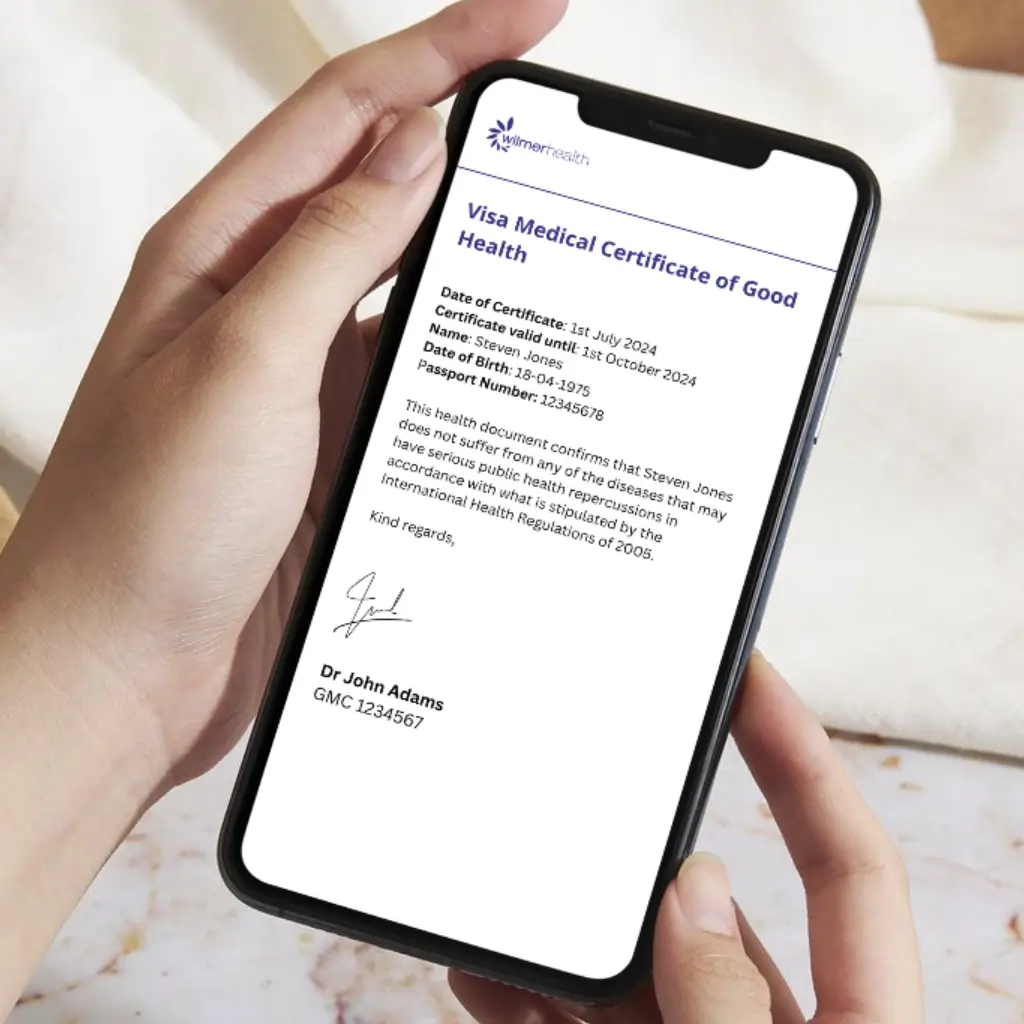
Our Spanish visa medical certificates are issued by GMC-registered doctors with the exact consulate-approved wording. We include the official Spanish translation and can sort the FCDO apostille for you. Same-day online service, no GP visit needed.
Every UK NLV applicant needs an ACRO police certificate showing your criminal record (or absence of one) over the past 5 years.
The ACRO certificate must:
ACRO’s standard service costs £70 and takes up to 10 working days. There’s also a premium 2-day service for £125. One thing that catches a lot of people out: ACRO sends certificates by standard untracked post. Once it’s in the post, you can’t track it, and Royal Mail can sometimes take a week or more to deliver. We’ve seen certificates take longer to arrive than ACRO took to actually produce them. So when ACRO says “10 working days,” plan for closer to 3 weeks until the certificate is in your hands.
The apostille adds another 2-4 working days through a registered service, or up to 15 working days (often longer in summer) if you go through the FCDO postal route. Apply for your ACRO certificate first. It takes the longest of any document and depends on third parties (ACRO, Royal Mail, the FCDO) you can’t chase or speed up.

Our ACRO certificate service for Spanish visas handles the whole thing (application, FCDO apostille, sworn translation) and delivers everything to your door.
Related reading: The complete UK guide to ACRO certificates for Spanish visas
Health insurance is one of the strictest NLV requirements, and it’s where many applications fail. Important: unlike the student visa, the free UK GHIC is NOT accepted for the NLV. You need either private health insurance or an S1 form.
Your policy must:
Travel insurance is never accepted, even with €30,000 of cover. Cheap “expat” policies often fail on the co-payment requirement.
Premium costs vary significantly by age:
If you’re a UK state pensioner (or receive certain long-term benefits), you may be eligible for an S1 form. This entitles you to access Spain’s public health system on the same terms as Spanish residents, paid for by the UK government.
To get an S1:
The S1 saves UK retirees thousands of pounds compared to private insurance and is genuinely one of the best benefits of UK state pension entitlement post-Brexit.
Important caveat: some consulates still prefer private insurance for the first year, even when an S1 is available. Always confirm with your specific consulate before relying on the S1 alone.

Through our partnership with leading Spanish health insurers, we offer policies built specifically for Spanish visa applicants. Zero co-payments, fully accepted by the consulate, with rates designed for NLV applicants.
Several documents in your NLV application need an apostille (a legal stamp confirming the document is genuine, under the 1961 Hague Convention) and a sworn translation into Spanish.
The documents requiring both an apostille and a sworn translation are:
A regular certified translation isn’t enough. The translator has to be on the Spanish government’s official register of sworn translators.
Important: e-Apostilles are not accepted for Spanish visas. The FCDO offers a cheaper digital apostille (£35 instead of £45), but the Spanish consulate only accepts the paper-based version. Don’t be tempted by the cheaper option. Your visa will be rejected.
The FCDO charges £45 per document for the standard paper apostille. The official turnaround is up to 15 working days, but in reality this is often longer, especially during summer. We’ve seen applications take 3-4 weeks. A registered apostille service typically gets it done in 2-4 working days, because they can submit documents directly at the FCDO business counter rather than queueing through the public postal service.
Sworn translations usually take 2 to 5 working days. Build both apostille and translation time into your timeline.

Our UK apostille service and sworn translation service handles translations for any UK document, and we can arrange the FCDO paper-based apostille on your behalf.
Related reading: The complete guide to apostilles and guide to sworn translations for Spanish visa documents
If you’re applying with a spouse or dependent children, you’ll need to prove the relationships with official UK certificates.
What you need:
“Recent” matters. Most Spanish consulates prefer certificates issued within the last 3-6 months of your application date. They’ll accept older originals in some cases, but ordering fresh certified copies from the GRO is usually safer. The GRO charges £12.50 for a certified copy of a UK birth or marriage certificate, and it typically takes 4 working days for standard service or 1 working day for premium.
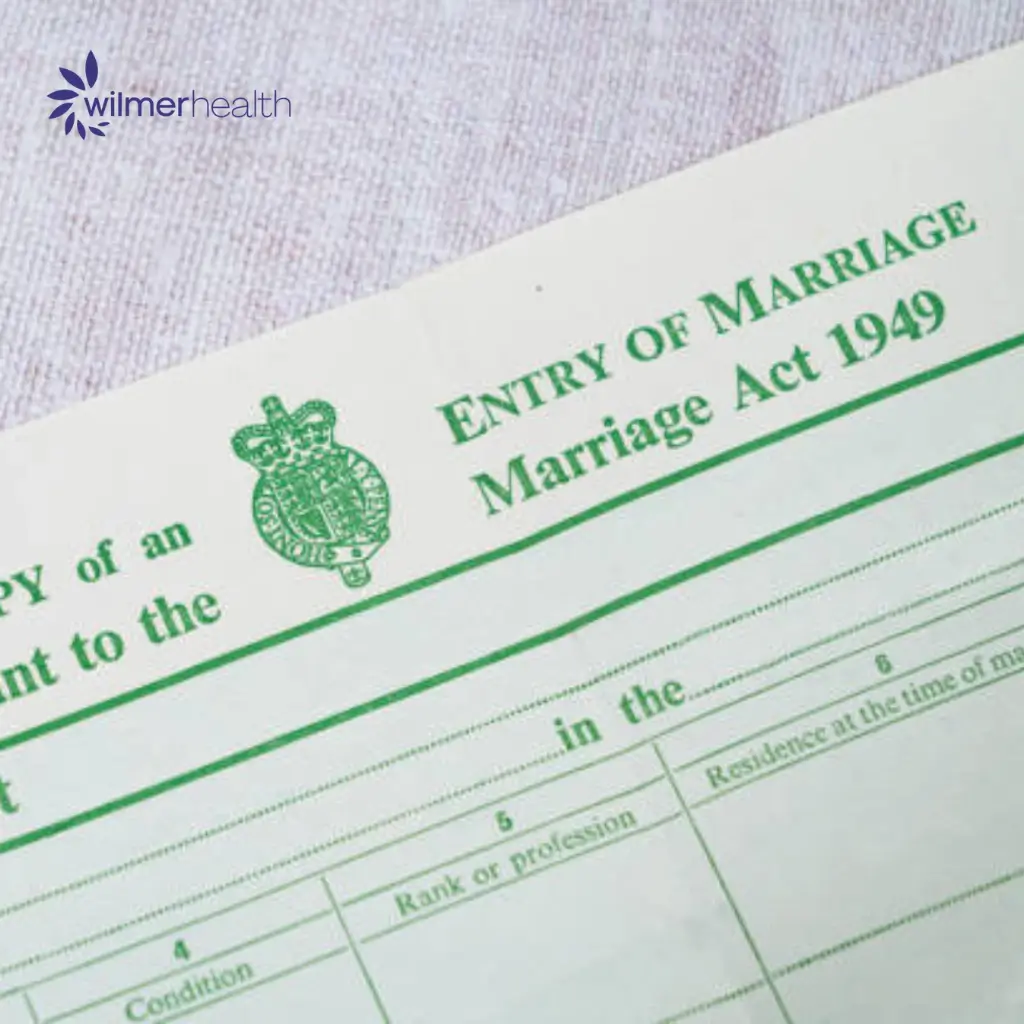
Our birth and UK marriage certificate service obtains updated certified copies from the GRO, arranges the FCDO apostille, and provides the sworn Spanish translation, all delivered to your door.
The visa fee is significant, but document preparation costs add up quickly. Here’s a realistic breakdown for a single UK NLV applicant:
| Category | Details | Estimated Cost |
|---|---|---|
| Visa fee (UK reciprocity) | Set by Spanish Ministry of Foreign Affairs | £516 |
| BLS service charge | Per visa application | £14.85 |
| Authorization for Residence | Form 790-052, if not paid in Spain | £9.05 |
| ACRO police certificate | ACRO fee (£70 standard, £125 premium) + FCDO apostille (£45) + sworn translation | £165-£250 |
| Medical certificate | Doctor's fee + FCDO apostille (£45) + sworn translation | £150-£300 |
| Marriage certificate (if applicable) | New copy + apostille + translation | £110-£220 |
| Birth certificates (per child, if applicable) | New copy + apostille + translation | £110-£220 |
| Health insurance | Annual private cover (varies by age) or free with S1 | £0-£6,000 |
| Travel to consulate appointment | London, Manchester, or Edinburgh | £30-£300 |
| Proof of financial means | €28,800/year minimum (held, not spent) | n/a |
| Estimated total (single applicant, with private insurance) | £1,500-£8,000 | |
| Estimated total (couple, with private insurance) | £3,000-£15,000 | |
The huge range on health insurance reflects how much age matters. A 45-year-old applicant might pay £700-£1,000 a year. A 75-year-old might pay £4,000-£6,000.
For couples and families, every dependent multiplies most costs (visa fee, ACRO, medical certificate, insurance, certificates, BLS charge). Plan accordingly.
The S1 form, if you qualify, is genuinely the biggest single cost saver in the entire process. UK state pensioners can avoid private insurance entirely, saving thousands.
You have to apply at the Spanish consulate covering the area where you live in the UK:
London Consulate: Greater London, the South West, the South East, and Eastern England, plus Guernsey, Jersey, and British Overseas Territories.
Manchester Consulate: Wales, Isle of Man, North West England (except Cumbria), Yorkshire and the Humber, East Midlands, and West Midlands.
Edinburgh Consulate: Scotland, Northern Ireland, and parts of North East England (Cleveland, Cumbria, Durham, Northumberland, Tyne & Wear, Tees Valley including Redcar and Cleveland, Stockton-on-Tees, Hartlepool, Darlington, and Middlesbrough).
You can’t pick your consulate. The one covering your registered UK address is the only one that will accept your application. If you try to apply at a different consulate (because you can get an earlier appointment, say), they’ll reject you straight away.
You apply through the BLS Spain Visa Application Centre for your consulate. Appointments are booked online through the BLS website. NLV appointments often book up weeks in advance, so book yours as early as you can.
If you’re applying with a family, each person needs a separate appointment. This is something to plan around. A couple needs two appointment slots, ideally back-to-back. A family of four needs four.
Officially, the legal period for a decision is 15 calendar days from the day after submission, but this can be extended to 45 calendar days if extra documents or an interview are needed. In practice, UK applicants usually wait 1 to 3 months for a decision.
A few things that affect how long it takes:
Suggested timeline for a January move to Spain:
The biggest mistake UK applicants make is leaving the ACRO certificate until last. It involves three separate steps (ACRO, the FCDO apostille, and the sworn translation), each with their own waiting times. Once you’re behind schedule, there’s no way to speed any of them up.
Once your visa is granted, you have 90 days to enter Spain. The visa itself becomes your initial 90-day entry permit, and the rest of the residency process happens after you arrive (see below).
Once your NLV is approved, the consulate notifies you (usually by email or through the BLS system). You’ll have one month to collect your visa in person at the BLS centre.
After collecting it, here’s what happens:
Step 1: Enter Spain within 90 days
Your visa is a 90-day entry permit. Plan your move accordingly. Don’t delay, because the visa expires if not used.
Step 2: Apply for your TIE within 30 days of arrival
The TIE (Tarjeta de Identidad de Extranjero) is your Foreigner Identity Card. It includes your NIE (Foreigner Identification Number), which you’ll need for everything from opening a bank account to signing a rental agreement.
To get your TIE:
Your TIE is initially valid for 12 months, matching your initial visa.
Step 3: Register your S1 (if applicable)
If you’re using an S1 form, register it with the Instituto Nacional de la Seguridad Social (INSS) once you arrive. This activates your access to Spain’s public health system.
Step 4: Register on the Padrón
The Padrón Municipal is your local town hall’s residents register. Registering (called “empadronamiento”) is required and proves you live in your municipality. You’ll need it for healthcare, schools, and various administrative tasks.
The NLV is initially valid for 1 year. After that, you renew it as a residency permit.
Renew 60 days before your visa expires, or within 90 days after if absolutely necessary. The first renewal grants you a 2-year residency permit. You’ll need:
Same process, granting another 2-year permit (taking you to year 5).
After 5 continuous years of legal residence, you can apply for permanent residency, valid for 10 years and with fewer renewal hoops. You still can’t work on permanent residency under the NLV pathway, but you have far greater stability.
After 10 years of legal residence, UK nationals can apply for Spanish citizenship. Spain doesn’t generally allow dual citizenship for UK nationals, so this means renouncing British citizenship. Most UK applicants stop at permanent residency for this reason.
NLV rejections are more common than student visa rejections, mostly because the financial requirements are stricter and consulates have wider discretion. The most common reasons:
Financial issues. Funds appearing suddenly, balance dipping below the threshold during the review period, sponsorship arrangements without all the supporting documentation, or income that the consulate views as insufficiently stable. Rule of thumb: aim well above €28,800 with consistent funds over at least 12 months.
Medical certificate problems. Wrong wording (not matching the consulate’s exact phrasing), certificate from a country other than the UK or Spain, missing apostille, or doctor’s signature not recognised by the FCDO.
Translation problems. Using a regular certified translation instead of a sworn one, or using a translator who isn’t on the Spanish government’s official register.
Health insurance not accepted. Policies with co-payments, reimbursement models, or insufficient cover. Travel insurance is never accepted, even with €30,000 cover. GHIC isn’t accepted for the NLV either.
Wrong apostille type. Submitting an e-Apostille (£35 digital) instead of the paper-based apostille (£45). Spanish consulates only accept the paper version.
Missing work cessation proof. As of 2026, consulates strictly require evidence you’ve stopped working. P45, accountant’s letter, or similar.
Wrong consulate. Applying outside your consular district.
Out-of-date documents. Medical certificates and ACRO certificates more than 3 months old at your appointment.
Insufficient documentation for dependents. Missing apostilled birth or marriage certificates, or trying to include dependents without showing the additional financial threshold.
The consulate will provide a written explanation of the reasons. You have one month to appeal the decision, either by submitting a reconsideration request to the consulate or filing for judicial review with the High Court of Justice of Madrid (within two months).
In our experience, most rejected applications are about administrative slip-ups rather than genuine ineligibility. A second attempt with the issues fixed usually succeeds.
The Non-Lucrative Visa isn’t difficult, but it does reward careful planning and attention to detail. The financial requirements are strict, the documents have specific rules, and small mistakes can hold up an entire application. Start early, aim well above the minimum financial threshold, and be uncompromising about whether each document meets the consulate’s exact requirements.
At Wilmer Health, we help UK applicants get every document right the first time. Our Spanish visa services for NLV applicants include:
Everything’s done online and delivered to your door.

For UK students who plan to study in Spain for more than 90 days
A deeper look at Spanish health insurance options for the non-lucrative visa
All key facts in this article were checked against official sources as of May 2026: